
A Tanzania safari is often associated with lions, elephants, the Serengeti, and the Great Migration. But there is another side of Tanzania that can make the journey even more meaningful: its people and cultural traditions.
Among the most recognizable communities in northern Tanzania are the Maasai. Known for their distinctive clothing, beadwork, traditional dances, livestock-based lifestyle, and strong community traditions, the Maasai have a deep connection with the landscapes surrounding some of Tanzania’s most famous safari destinations.
A Maasai Village Experience in Tanzania gives travelers an opportunity to learn about this culture directly from community members. Instead of simply driving past villages during a safari, you can spend time learning about traditional homes, daily life, crafts, livestock, food, music, and customs.
For travelers who want to experience more than wildlife, adding a Maasai cultural visit can turn a Tanzania safari into a much richer journey.
Who Are the Maasai?
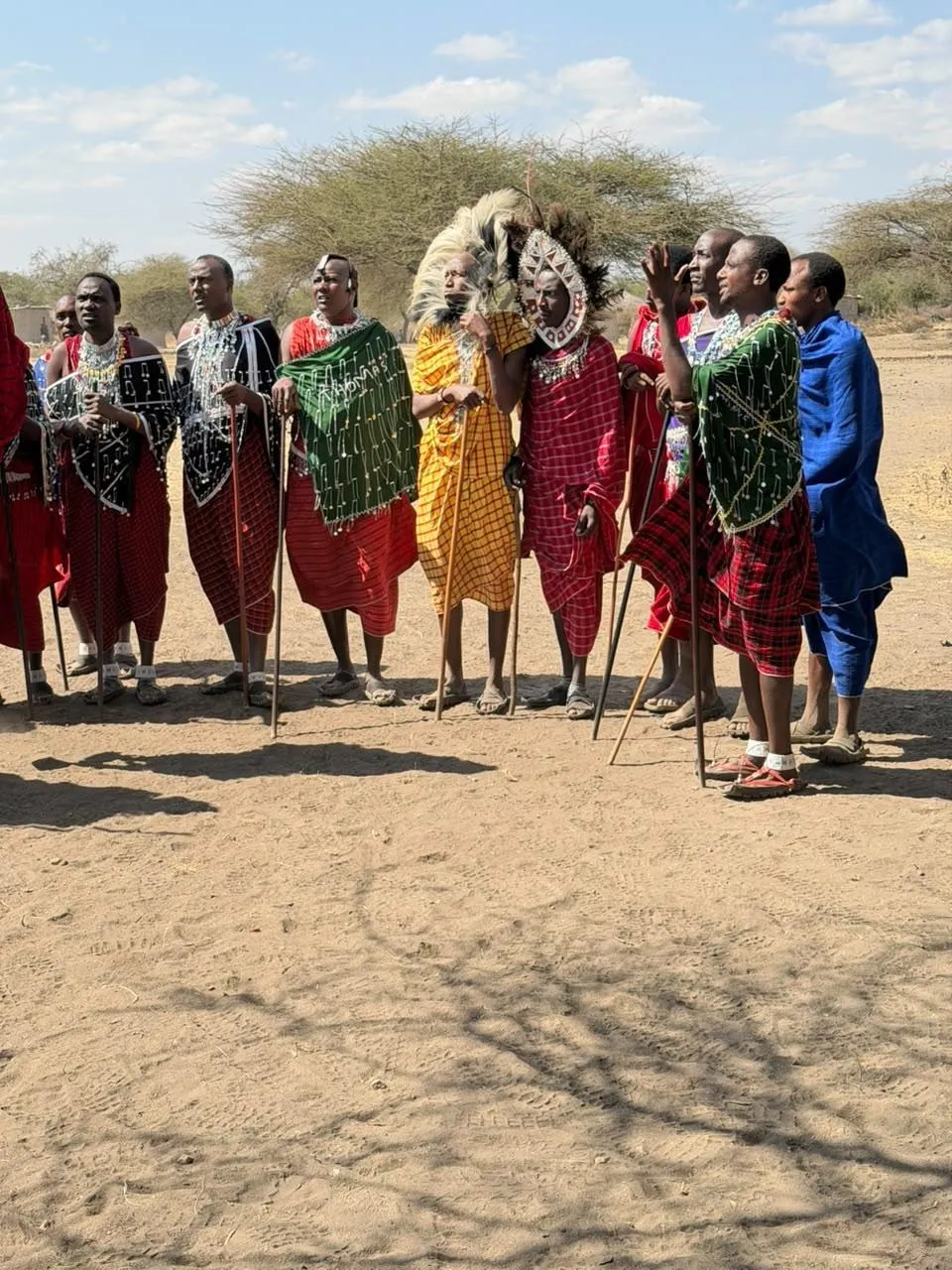
The Maasai are one of the best-known Indigenous communities of East Africa, with communities living in both Tanzania and Kenya.
In Tanzania, Maasai communities are particularly associated with areas around northern safari destinations, including regions near the Serengeti, Ngorongoro, Tarangire, and Lake Manyara.
Traditionally, Maasai life has been strongly connected to livestock, particularly cattle. Livestock has an important role in food, family life, social relationships, and cultural traditions.
Today, Maasai communities continue to maintain many traditional practices while also adapting to education, modern employment, tourism, technology, and changing economic conditions.
Understanding this combination of tradition and modern life makes a cultural visit more interesting than simply seeing traditional clothing or performances.
What Happens During a Maasai Village Experience?
A village visit can vary depending on the community and the type of cultural experience arranged.
Visitors may have an opportunity to walk through the village, meet community members, learn about traditional homes, see livestock, discover local crafts, and hear explanations about Maasai customs.
Some experiences may also include traditional songs and dances, demonstrations of crafts, or discussions about everyday life.
The most valuable part is often the opportunity to ask questions and learn directly from people within the community.
Explore a Traditional Maasai Boma
One of the most interesting aspects of Maasai culture is the traditional village or boma.
A boma is a settlement where homes and livestock areas are arranged as part of a community. Traditional Maasai homes are often built using locally available materials and reflect the environment and lifestyle of the community.
During a cultural visit, a local guide or community member can explain how these homes are constructed, how they are used, and how traditional settlement patterns work.
Seeing a traditional home in person gives travelers a much better understanding than simply reading about it.
Learn About the Maasai Way of Life
A Maasai cultural experience is also an opportunity to learn about everyday life.
Livestock has traditionally been central to Maasai communities. Cattle, goats, and sheep can play important roles in food, wealth, social relationships, and ceremonies.
You may learn how livestock are cared for, how communities move or manage grazing areas, and how traditional knowledge has been passed between generations.
The experience also provides insight into how communities have adapted their lifestyles to changing environmental and economic conditions.
Discover Maasai Clothing and Beadwork
Colorful clothing and intricate beadwork are among the most recognizable aspects of Maasai culture.
Beaded jewelry can include necklaces, bracelets, earrings, and other decorative pieces. Different designs and colors can have cultural and social meanings.
During a village visit, travelers may have an opportunity to see how traditional crafts are made and purchase handmade products directly from local artisans.
Buying directly from community members can provide an additional way for tourism to support local livelihoods.
Experience Traditional Maasai Music and Dance
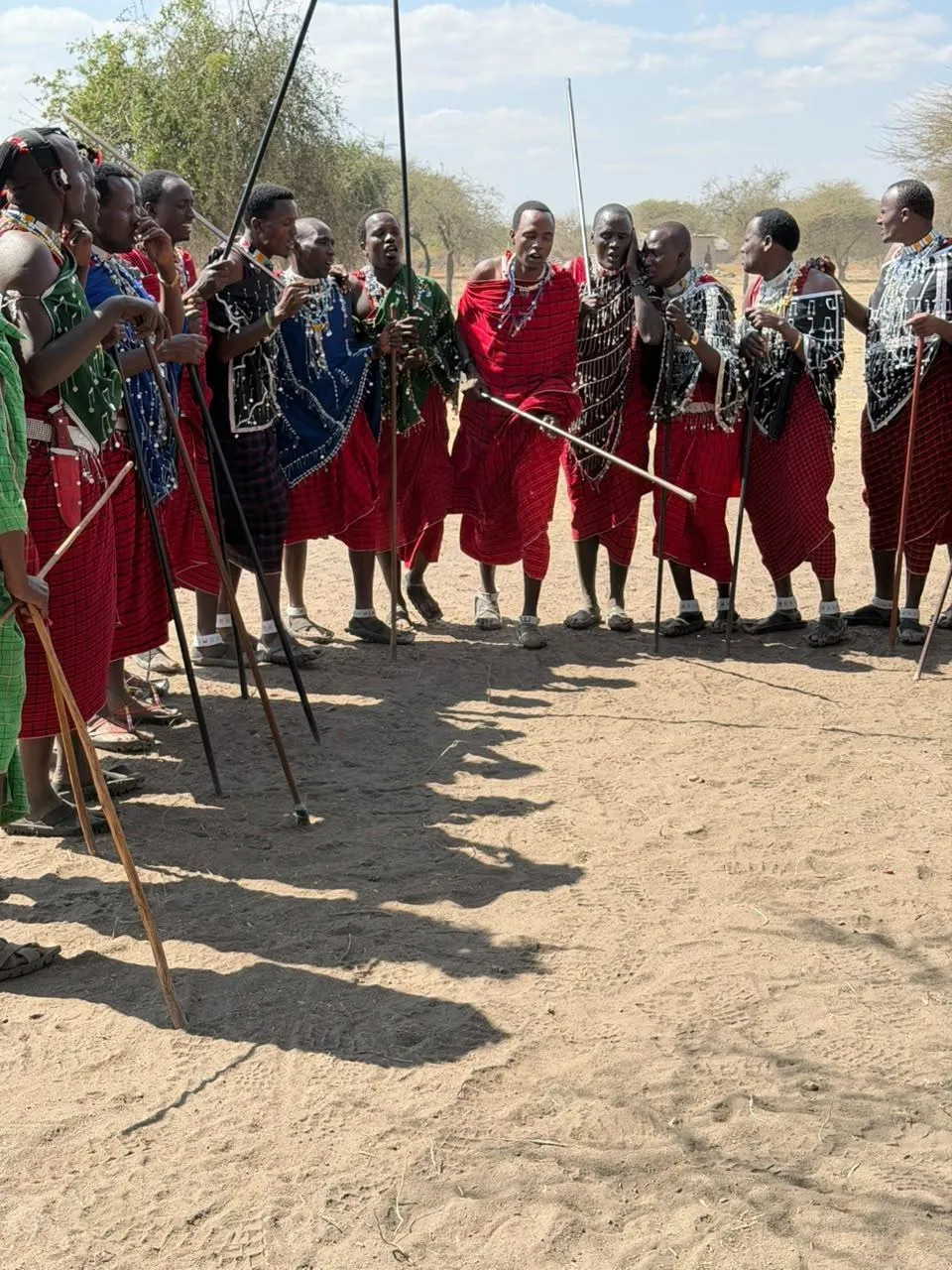
Music and dance are important parts of Maasai cultural life.
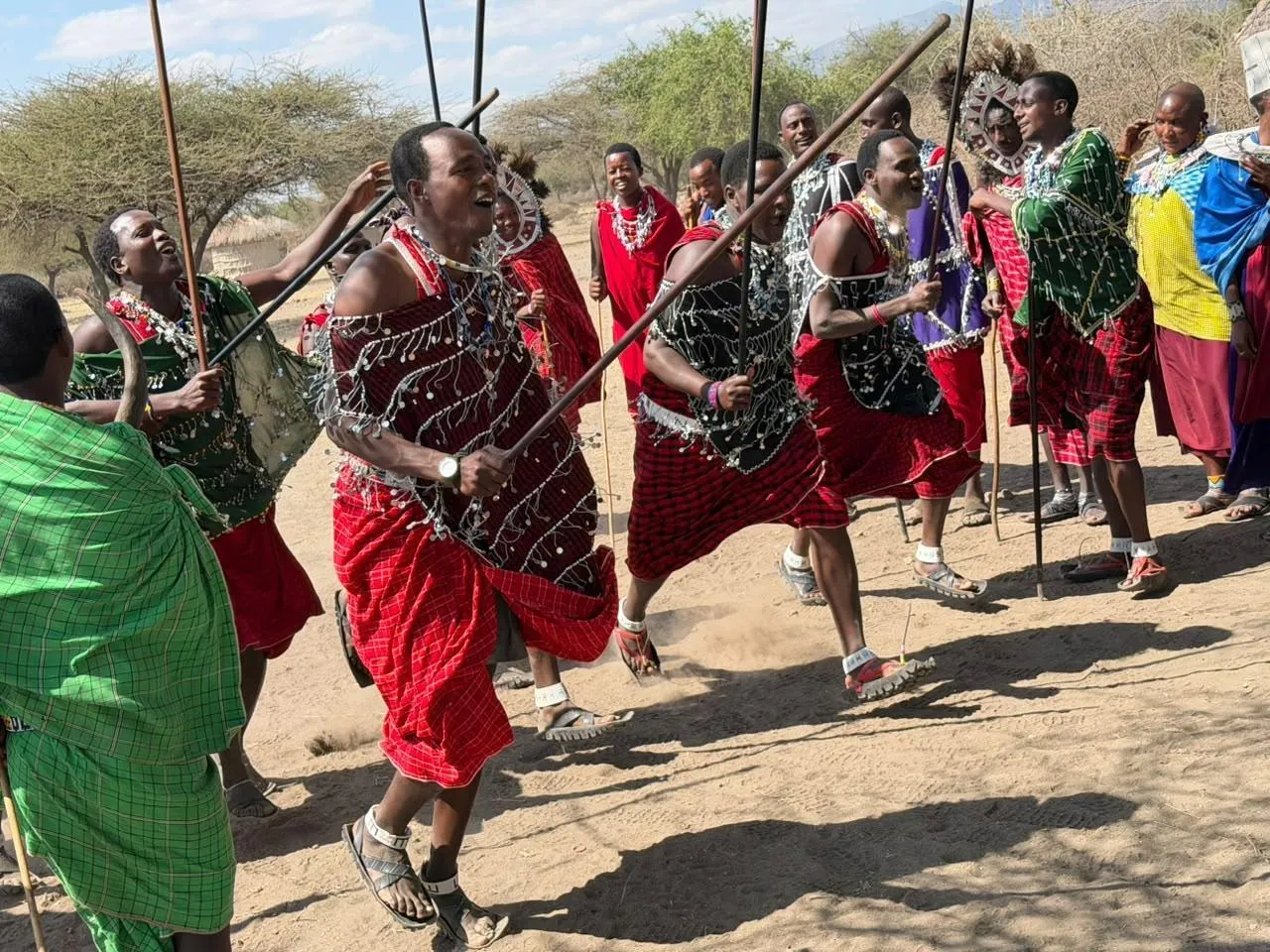
Traditional performances can involve singing, rhythmic movement, and distinctive vocal styles. Some dances are connected with celebrations, ceremonies, community gatherings, or social traditions.
For visitors, experiencing a traditional performance can be one of the most memorable parts of a village visit.
However, it is important to remember that these are cultural traditions rather than simply entertainment created for tourists. A respectful experience allows visitors to understand the meaning and importance behind the performance.
Learn About Maasai Food and Traditional Practices
Food provides another way to understand a culture.
Traditional Maasai diets have historically been influenced by pastoral life and the availability of local resources. Depending on the community and experience, visitors may learn about traditional foods, livestock products, local plants, and modern changes in eating habits.
Food experiences should always be approached with respect and an open mind.
Trying something unfamiliar can be one of the simplest ways to make a cultural journey more memorable.
Understand the Relationship Between the Maasai and Nature
One of the most fascinating aspects of Maasai culture is the relationship between people, livestock, land, and wildlife.
Many Maasai communities live in areas close to Tanzania’s famous wildlife ecosystems.
This creates a unique connection between cultural tourism and safari tourism. While visitors come to Tanzania to see wildlife, local communities have long lived and worked within landscapes where wildlife is also present.
Learning about this relationship can help travelers understand that conservation is not only about animals and national parks. It can also involve the communities living around these important ecosystems.
Combine a Maasai Village Visit With a Safari
You do not need to choose between wildlife and culture.
A Maasai Village Experience in Tanzania can easily be included within a broader safari itinerary.
For example, you might spend several days exploring the Serengeti and Ngorongoro Crater, then add a cultural visit where you learn about Maasai traditions and everyday life.
This creates a more complete Tanzania experience.
The safari introduces you to wildlife and landscapes.
The village experience introduces you to people and traditions.
Together, they provide a deeper understanding of the country.
Visit Maasai Communities Near Northern Tanzania’s Safari Areas
Northern Tanzania is particularly convenient for combining wildlife and cultural experiences.
Depending on your itinerary, cultural visits can be arranged around areas near major safari destinations.
This means you can spend the morning on a game drive and later learn about local traditions and community life.
The combination works especially well for travelers who want to use their safari time efficiently while experiencing more than the typical wildlife itinerary.
Choose a Respectful Cultural Experience
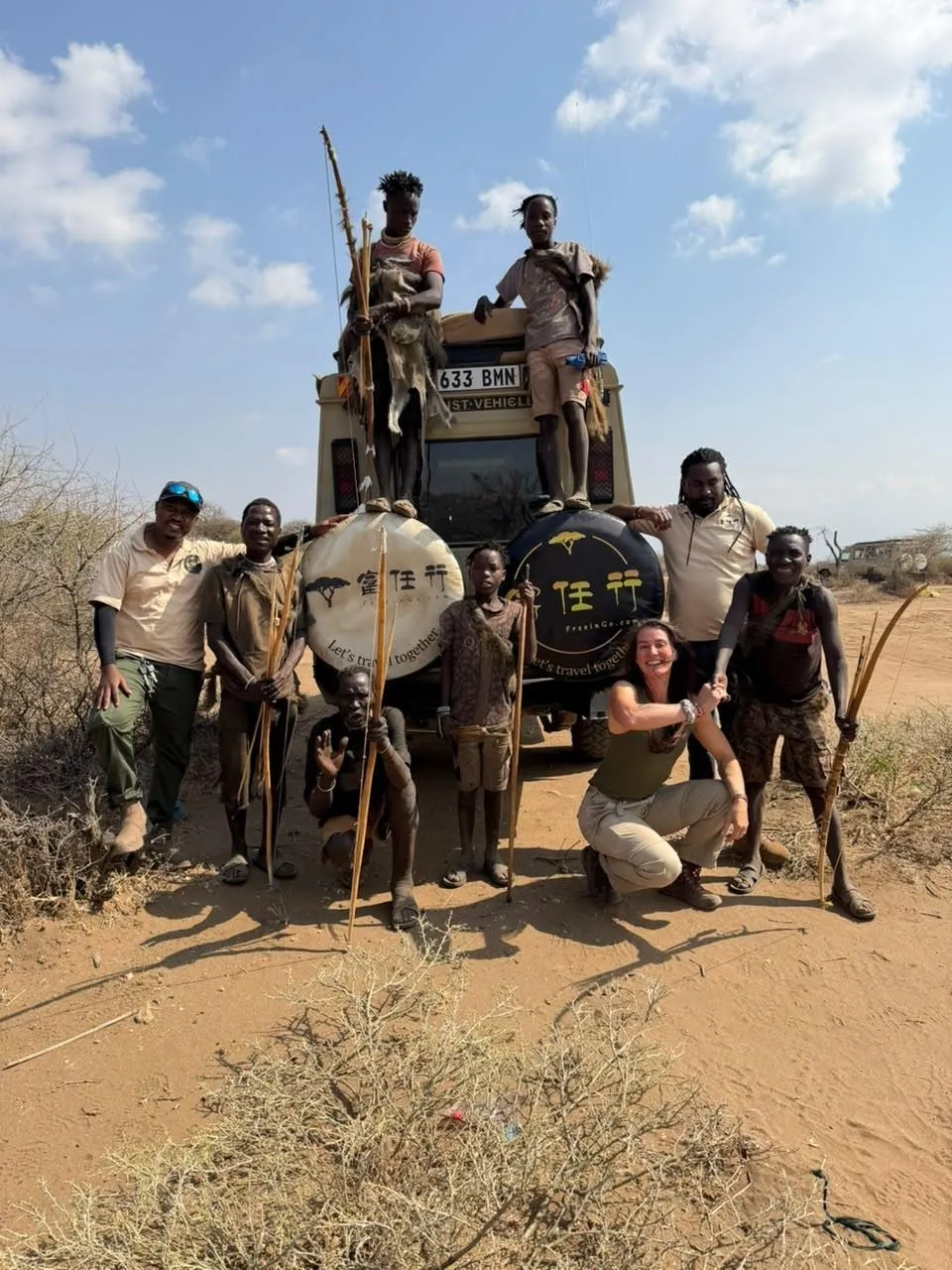
When visiting a Maasai community, responsible and respectful tourism is important.
Remember that you are entering a living community, not a museum.
Ask before taking photographs. Listen when community members explain traditions. Follow local guidance. Dress appropriately and respect areas where visitors are not permitted.
It is also worthwhile choosing a safari operator that works with communities in a respectful way and helps ensure that tourism benefits local people.
A good cultural experience should create opportunities for genuine interaction and learning rather than reducing a community’s traditions to a tourist performance.
Support Local Artisans and Communities
Cultural tourism can also provide direct economic opportunities for communities.
Purchasing handmade beadwork, crafts, or other locally produced items can support artisans when purchases are made through appropriate community channels.
Travelers can also contribute by choosing cultural experiences that involve local guides and community organizations.
Responsible tourism is not simply about visiting a village. It is about making sure the experience respects the people who live there.
Ask Questions and Listen
One of the best ways to make a Maasai cultural experience meaningful is to be curious.
Ask questions about daily life, traditional homes, livestock, education, food, crafts, celebrations, and how life has changed over time.
You may discover that the most interesting part of the experience is not a particular activity but a conversation with someone from the community.
Approach the visit with the idea of learning rather than comparing the community with your own way of life.
Add Culture to Your Tanzania Safari
A wildlife safari shows you Tanzania’s natural beauty.
A Maasai cultural experience shows you another side of the country.
Instead of spending every day moving between national parks, adding a cultural visit can create a more balanced itinerary. You can combine game drives, wildlife photography, landscapes, local communities, food, crafts, and traditional experiences.
For travelers interested in a Tanzania Cultural Experience, this combination can make the journey much more memorable.
Looking for a Trusted Operator for a Maasai Cultural Experience?
Choosing the right local operator is important when arranging a cultural experience because the way a visit is organized can influence the quality and authenticity of the experience.
Freeingo Safaris offers Tanzania cultural experiences that can be combined with wildlife safaris and other Tanzania adventures. Their cultural offerings are designed to help travelers discover local communities, traditions, food, crafts, music, and everyday life.
If you are looking for a Maasai Village Experience in Tanzania, Freeingo Safaris can help include a cultural visit within a customized safari itinerary.
You can combine the Maasai experience with destinations such as the Serengeti, Ngorongoro, Tarangire, and other northern Tanzania attractions, creating a journey that includes both wildlife and culture.
Freeingo also offers customized safari planning, knowledgeable local guides, comfortable accommodation, reliable transportation, and support throughout the journey.
Plan Your Maasai Cultural Experience With Freeingo Safaris
A Maasai village visit can be a short addition to a safari or an important part of a longer cultural itinerary.
The right itinerary can give you time to experience wildlife in the Serengeti, explore the Ngorongoro Crater, meet Maasai community members, discover traditional crafts, and learn about local ways of life.
If you are searching for a trusted Tanzania safari operator to organize a Maasai Village Experience in Tanzania, Freeingo Safaris can help create a customized trip based on the places and experiences you want to discover.
The goal is not simply to visit a village and take photographs.
It is to meet people, ask questions, understand traditions, and leave Tanzania with a deeper appreciation of the communities that are part of its incredible landscape.
Final Thoughts
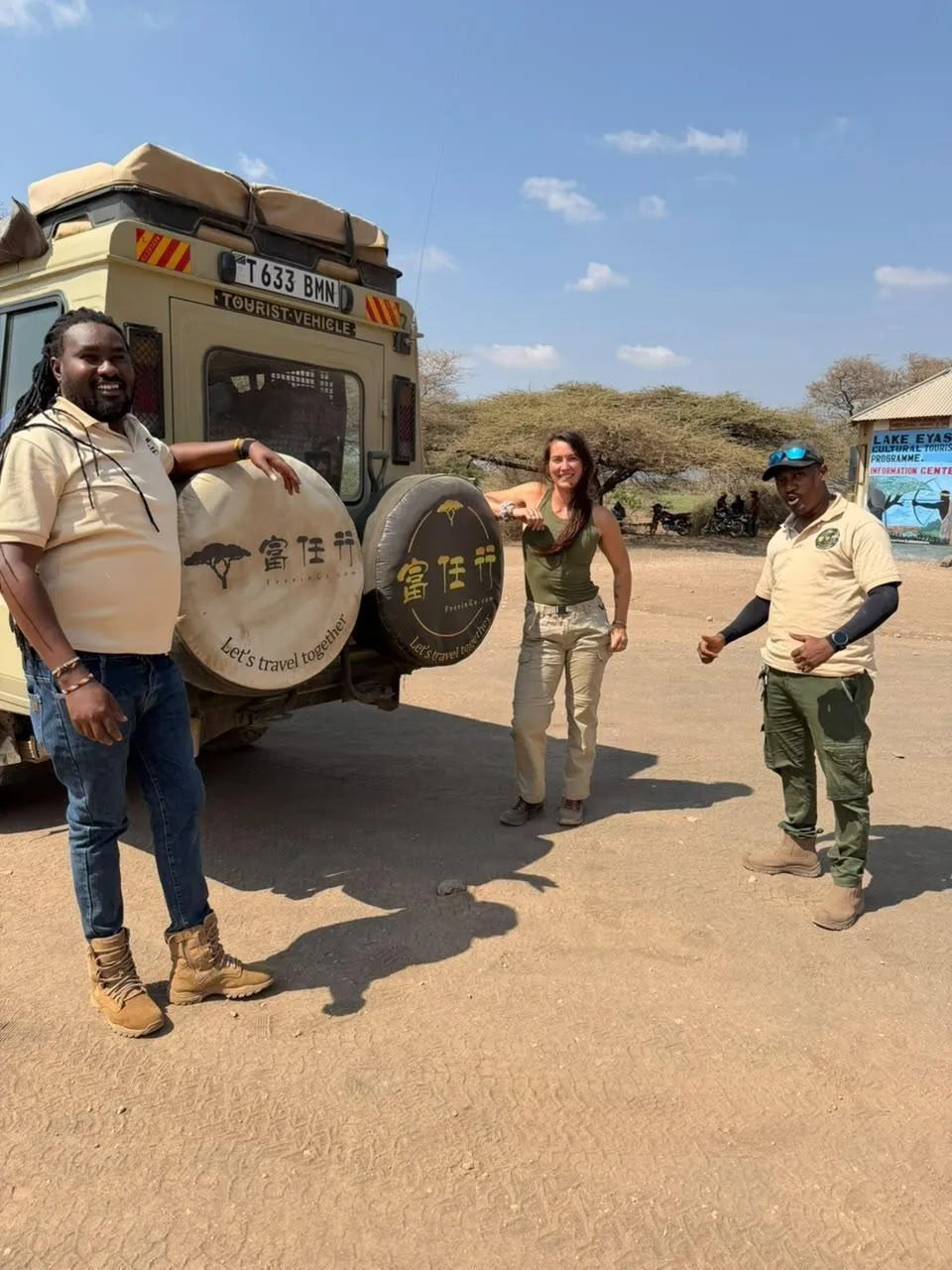
Tanzania’s wildlife is extraordinary, but its people and cultures are an equally important part of the country’s identity.
A Maasai cultural experience gives travelers an opportunity to step beyond the usual safari route and learn about traditions that have developed over generations.
From traditional homes and livestock to beadwork, music, food, community life, and the relationship between people and the natural environment, there is much to discover.
If your Tanzania safari is already taking you through the northern safari circuit, consider adding a Maasai Village Experience in Tanzania to your itinerary.
The Serengeti may show you the wildlife.
The Ngorongoro Crater may show you the landscape.
A Maasai cultural experience can help you understand the people and traditions that make Tanzania such a fascinating destination.
